Story by Jessica Duffy
ADRA is launching a month-long campaign in support of refugees, beginning on May 30. Through this campaign, ADRA will join other non-profit organizations around the world in showing support for refugees in the lead up to World Refugee Day June 20. The campaign will also complement World Refugee Day Sabbath on June 18.
In addition to showing ADRA’s support for refugees, the campaign aims to engage the public in an open dialogue, providing a better understanding of refugees, and challenging some of the prejudices and misinformation which surrounds the topic.
Since refugees began arriving in Europe in unprecedented numbers in 2015, ADRA has been active in seven Eastern European countries, helping over 120,000 refugees. Their dedicated staff and volunteers provided essential items including food, winter clothing, and hygiene kits, as well as services such as transport, information and translation services, psychosocial support, and charging stations.
The closure of European borders in March 2016 has left around 50,000 refugees stranded in Greece. ADRA has established a presence in Greece and is responding to some of the immediate needs of the camps in the country’s north. The overall project goal is the improved living conditions fo vulnerable refugees and migrants.



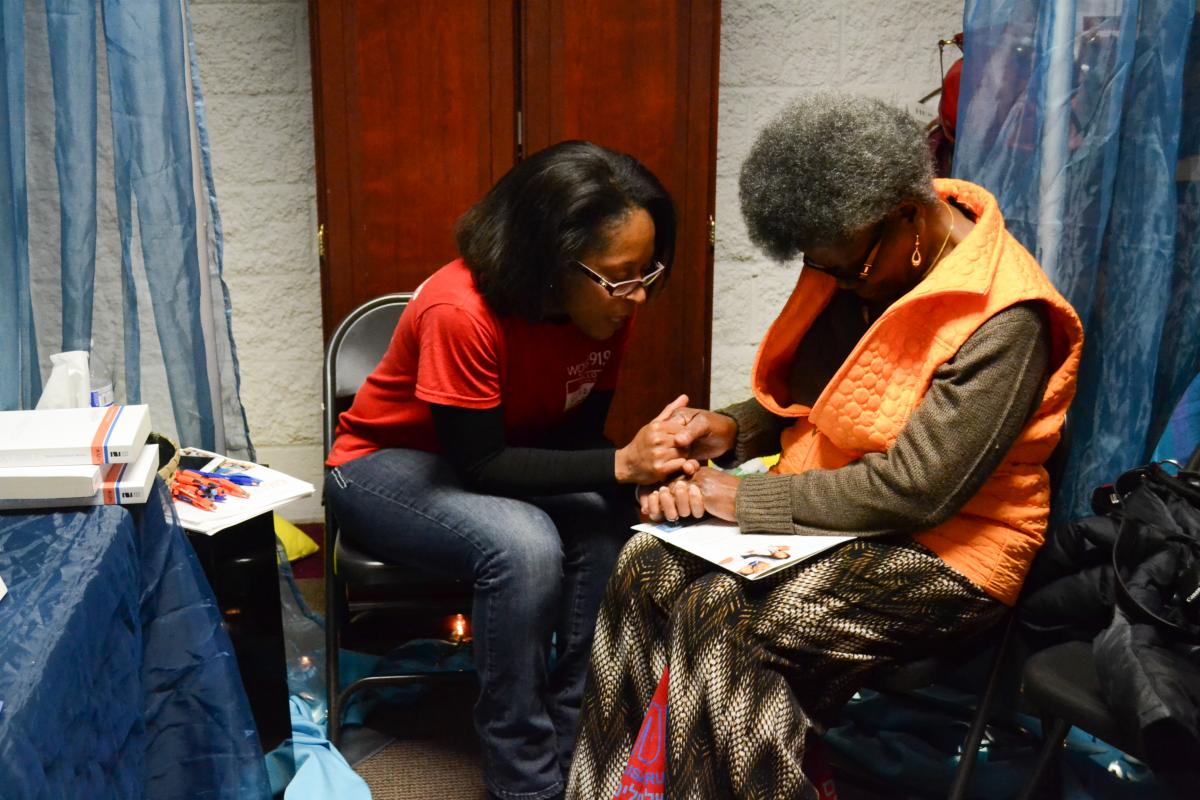 “Day of Hope was created specifically to allow listeners (not able to attend Night of Hope) the opportunity to be part of the celebration,” says Brennan Wimbish, WGTS program director. “We pre-recorded and took listener stories of how they'd seen hope in their lives.”
 Story by Jerry Woods / Photod by Colin Young-Wolff/Invision for the Television Academy/AP Images
 The following is a statement released by the Potomac Conference.