



Who We Are, How We Serve
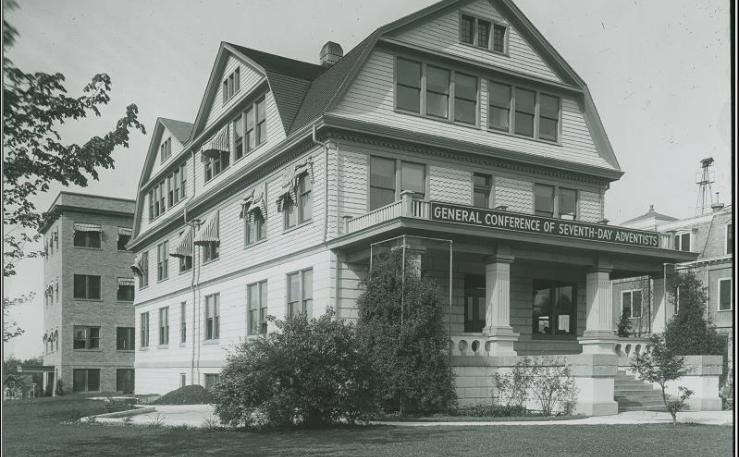
The Columbia Union Conference, established in 1907 to coordinate the Seventh-day Adventist Church's work in Delaware, Maryland, New Jersey, Ohio, Pennsylvania, Virginia, West Virginia and the District of Columbia, is part of the worldwide Protestant denomination of 23 million members in more than 212 countries. At the union level, we connect and provide administrative leadership, governance and support services to our conferences, schools, health care networks and ministries. Each year, our organizations sponsor programs and projects that address human needs, improve quality of life and introduce people to Jesus. Read our Mission, Values and Priorities.
We Believe
God is love, power, and splendor—and God is a mystery. His ways are far beyond us, but He still reaches out to us. God is infinite yet intimate, three yet one,
all-knowing yet all-forgiving.
Historia de V. Michelle Bernard | Fotos por Joksan Cedillo y Brian Tagalog
Más allá de las diferencias de comunicación, diferentes generaciones operan de diversas maneras. “De una generación a otra, siempre ha sido difícil”, dice Armando Miranda, Jr. (foto de la derecha), director asociado de Jóvenes para la División Norteamericana de los Adventistas del Séptimo Día y presentador en el encuentro de jóvenes adultos “Rise Up” de la Unión de Columbia. “Debemos tener cuidado de no poner toda esa tradición, lenguaje y cultura delante del mensaje del Evangelio. Tenemos que presentar de una manera en que nuestros jóvenes puedan entender a Dios”, agregó.
Historia de Celeste Ryan Blyden
En su reunión de marzo, el Comité Ejecutivo de la Unión de Columbia votó mover la Escuela de Evangelismo de la Unión REACH-actualmente en Filadelfia- a la Universidad Adventista de Washington en Takoma Park, Md.
Los miembros del comité dijeron que creen que el traslado a un ambiente académico es un ajuste que proporcionará acceso a la infraestructura de la universidad y la hará más rentable.
“El programa REACH aborda todas nuestras prioridades, ya que involucra a jóvenes adultos en liderazgo, desarrollo espiritual, evangelismo y la misión de la iglesia”, dice Dave Weigley, presidente de la Unión de Columbia.—
Editorial by Timothy Ko
Being a father to two girls is rewarding and challenging. There have been many conversations with my five-year-old (pictured) in which she would answer my questions with quick, short replies versus engaging in conversation. I would ask how her day went, about Spanish or soccer class, and the response would always be similar. At one point, I wondered if our conversations would always be as short as “No,” “Fine” and “Uh-huh.”
I tried negotiating with desserts or toys, but nothing worked. I soon became frustrated that I could not bridge the communication gap with her and feared that we might never enjoy meaningful conversations.
5 Steps for Bridging Generational Gaps
Marquis Johns, senior pastor of Allegheny East Conference’s North Philadelphia church, shares these steps for bridging the gaps between the various age cohorts.
Acknowledge
Talk about generational differences.
Appreciate
Focus on the “why,” not on the “what,” and the common needs.
Adjust
Agree on how to communicate different approaches.
Advantage
Maximize the strengths of each generation.


